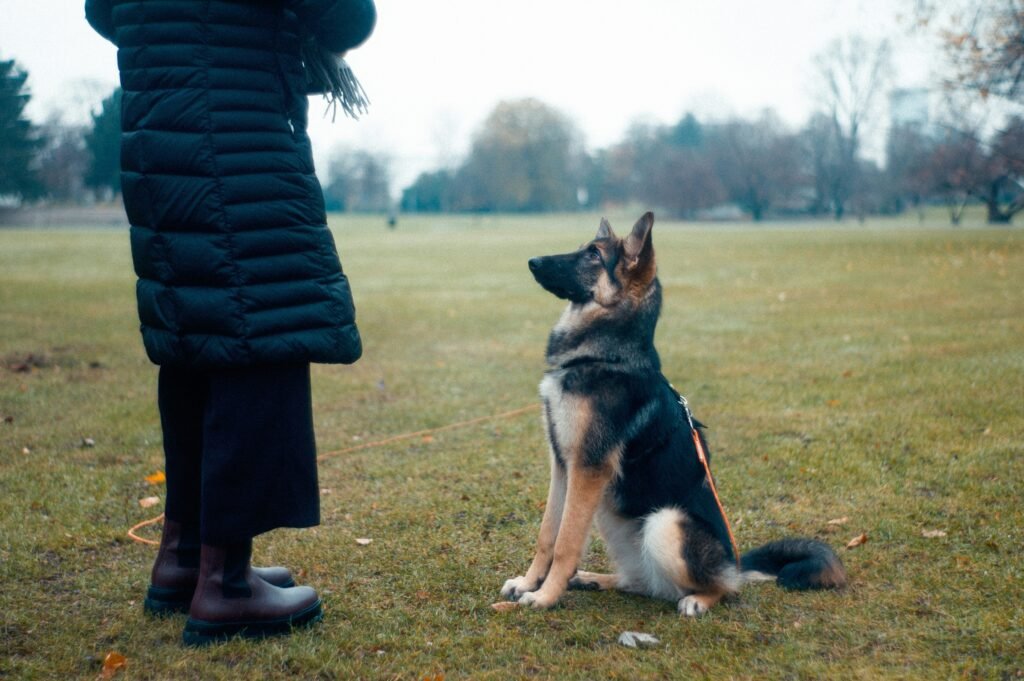

Introduction
Training your pet is one of the most important responsibilities of being a pet owner. A well-trained pet is not only easier to manage but also happier and more confident. Many people think pet training is difficult, but with the right approach and consistency, anyone can train their pet successfully. This guide will help you understand simple and effective methods to improve your pet’s behavior.
Why Pet Training Is Important
Training is not just about teaching tricks—it helps create a strong bond between you and your pet.
Benefits of training:
- Improves behavior and discipline
- Reduces unwanted habits
- Enhances communication
- Builds trust and confidence
A trained pet is safer, more social, and easier to handle.
Understanding Your Pet’s Learning Style
Every pet learns differently, so it’s important to understand how they respond.
- Some pets learn quickly with rewards.
- Others need more repetition and patience.
- Younger pets learn faster than older ones.
Observing your pet helps you choose the right training method.
Start with Basic Commands
Basic commands are the foundation of training.
Essential commands:
- Sit
- Stay
- Come
- No
Use clear words and repeat consistently so your pet understands what you expect.
Positive Reinforcement Training
Positive reinforcement is the most effective and humane training method.
- Reward good behavior with treats or praise.
- Ignore or redirect bad behavior.
- Be consistent with rewards.
👉 Pets learn faster when they associate good behavior with rewards.
Avoid Punishment-Based Training
Punishment can harm your pet’s trust and cause fear.
❌ Do not shout or hit your pet
❌ Avoid harsh corrections
❌ Do not confuse your pet with mixed signals
Instead, focus on patience and guidance.
Consistency Is the Key
Consistency is the most important part of training.
- Use the same commands every time.
- Train daily, even for short sessions.
- Involve all family members in the same rules.
Consistency helps your pet learn faster and avoid confusion.
Socialization Training
Socializing your pet is essential for good behavior.
- Introduce your pet to new people.
- Allow interaction with other animals.
- Expose them to different environments.
This reduces fear and aggression.
Handling Common Behavior Problems
Many pets develop unwanted habits if not trained properly.
Common issues:
- Excessive barking
- Chewing furniture
- Jumping on people
Solutions:
- Redirect behavior to toys.
- Use firm but calm commands.
- Reward good behavior
Training Schedule and Routine
Creating a routine improves training success.
- Keep sessions short (10–15 minutes)
- Train at the same time daily.
- End sessions on a positive note
Regular practice leads to better results.
Conclusion
Pet training requires patience, consistency, and a positive attitude. By using simple techniques and understanding your pet’s behavior, you can raise a well-mannered and happy companion. Remember, training is not a one-time task—it is an ongoing process that strengthens your bond with your pet.