
Introduction
Not every pet has access to outdoor spaces, especially in urban homes or apartments. Many pet owners worry that keeping pets indoors may affect their health or happiness. However, with the right approach, indoor pets can live a fully active, healthy, and mentally satisfying life. This guide focuses on practical ways to improve the indoor lifestyle of your pets without relying on outdoor activities.
Understanding Indoor Pet Behavior
Indoor pets behave differently compared to outdoor pets. They rely more on their environment and owner interaction for stimulation.
- They may get bored easily without activities.
- They depend on you for exercise and engagement.
- Their routine becomes very important.
Recognizing these patterns helps you create a better lifestyle for them.
Designing an Enriched Indoor Environment
Your home should be more than just a resting place for your pet—it should be a stimulating environment.
- Create dedicated play zones.
- Add climbing spaces or shelves for cats.
- Use soft bedding for comfort.
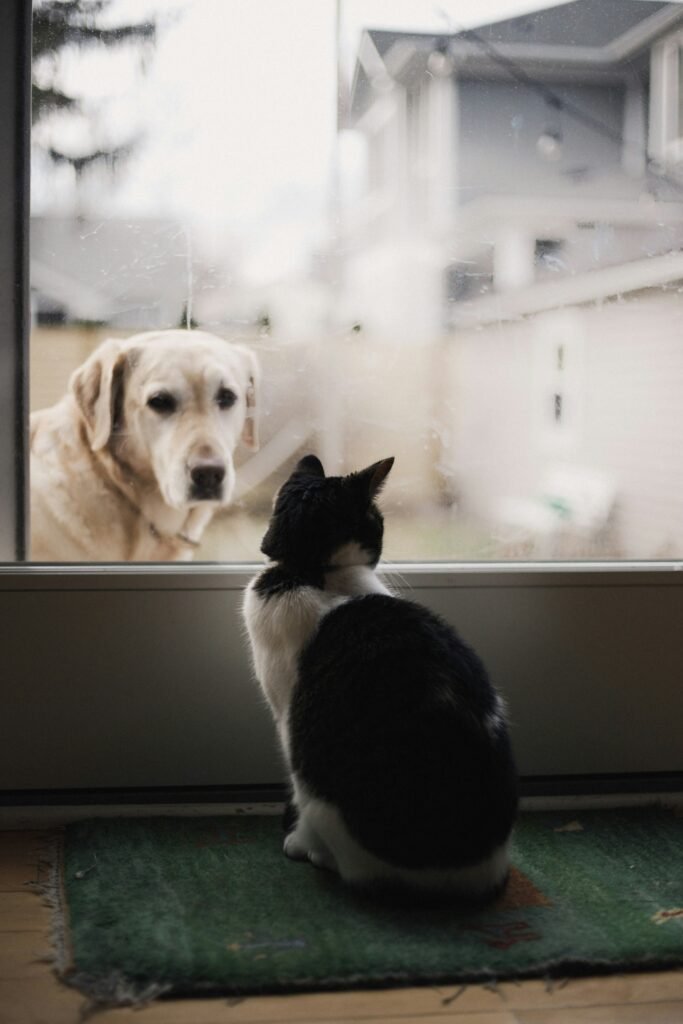
- Keep windows accessible for outside views.
A well-designed indoor space keeps pets engaged and relaxed.
Creative Indoor Exercise Ideas
Lack of outdoor space doesn’t mean lack of exercise.
For dogs:
- Indoor fetch using soft toys
- Stair climbing (if safe)
- Tug-of-war games
For cats:
- Laser pointer games
- Feather toys
- Climbing structures
Regular indoor exercise helps maintain physical health and reduces boredom.
Mental Stimulation Techniques
Mental engagement is critical for indoor pets.
- Use puzzle feeders
- Hide treats around the house.
- Teach new tricks
- Rotate toys weekly
Mental challenges prevent destructive behavior and keep pets sharp.
Managing Energy Levels
Indoor pets may develop excess energy if not properly engaged.
- Schedule multiple short play sessions.
- Combine physical and mental activities.
- Avoid long periods of inactivity.
Balanced energy levels lead to better behavior.
Preventing Obesity in Indoor Pets
Indoor pets are more prone to weight gain.
- Monitor calorie intake
- Avoid overfeeding
- Choose healthy treats
- Encourage daily movement
Weight control is essential for long-term health.
Reducing Stress and Anxiety
Indoor pets can sometimes feel stressed due to limited space.
Signs of stress:
- Restlessness
- Excessive barking or meowing
- Aggressive behavior
- Hiding
Solutions:
- Maintain a routine
- Provide quiet resting areas.
- Spend quality time daily.
A calm environment improves emotional well-being.
Importance of Social Interaction
Even indoor pets need social contact.
- Spend time playing and interacting.
- Introduce safe interactions with other pets.
- Avoid leaving them alone for long periods.
Social bonding keeps pets emotionally healthy.
Maintaining Hygiene Indoors
Indoor living requires extra cleanliness.
- Clean litter boxes or potty areas regularly
- Wash bedding and toys.
- Keep floors free of pet hair.
A clean environment prevents diseases and odors.
Conclusion
Indoor pets can live a happy and fulfilling life if their physical and mental needs are properly met. By creating an engaging environment, providing regular exercise, and maintaining a consistent routine, you can ensure your pet remains healthy and content even without outdoor access. Indoor pet care is not about limitation—it’s about smart adaptation.