
Introduction
Bringing a new puppy into your home is an exciting and joyful experience. Puppies are full of energy, curiosity, and love, but they also require proper care, training, and attention. The early stages of a puppy’s life are very important because they shape its behavior, health, and personality in the future. This guide will help you understand how to take care of your puppy in the best possible way.
Preparing Your Home for a Puppy
Before bringing your puppy home, it is important to create a safe and comfortable environment.
- Remove harmful objects such as wires and toxic items.
- Set up a cozy sleeping area.
- Keep food and water bowls ready.
- Provide chew toys to prevent damage to furniture.
A well-prepared home helps your puppy feel safe and reduces stress.
Feeding Your Puppy the Right Way
Puppies need a nutritious and balanced diet for proper growth and development.
- Feed high-quality puppy food designed for their age.
- Provide small meals multiple times a day.
- Avoid giving human food.
- Ensure constant access to fresh water.
Proper nutrition supports strong bones, muscles, and a healthy immune system.
Importance of Early Training
Training should start as early as possible. A well-trained puppy grows into a well-behaved dog.
- Teach basic commands like sit, stay, and come.
- Use positive reinforcement, such as treats and praise.
- Be consistent with rules and routines.
- Avoid punishment-based training
Early training builds discipline and trust between you and your puppy.
Socialization and Behavior Development
Socialization is key to raising a friendly and confident dog.
- Introduce your puppy to new people and environments.
- Allow interaction with other vaccinated dogs.
- Expose them to different sounds and situations.
Proper socialization reduces fear and aggression in the future.
Exercise and Playtime
Puppies are naturally energetic and require daily physical activity.
- Short walks and play sessions are ideal.
- Use toys to keep them engaged.
- Avoid over-exercising very young puppies.
Playtime not only keeps them active but also strengthens your bond.
Grooming and Hygiene
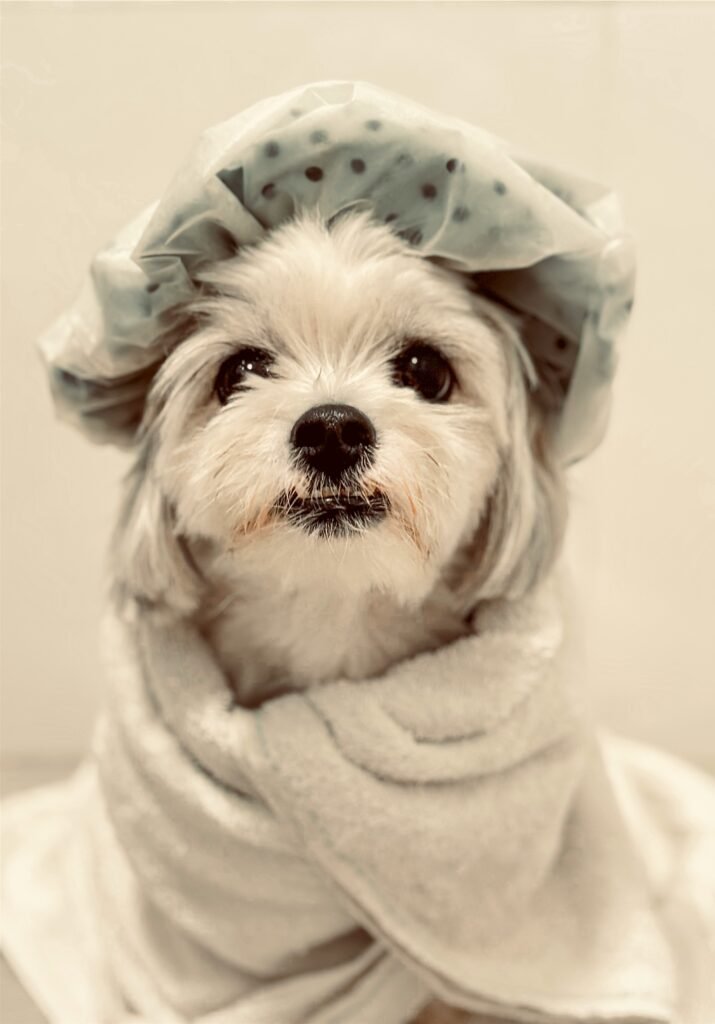
Maintaining hygiene is important for your puppy’s health.
- Bathe occasionally using mild shampoo.
- Brush their coat regularly.
- Keep nails trimmed
- Clean ears and check for infections
Good hygiene prevents skin issues and keeps your puppy comfortable.
Vaccination and Health Care
Regular veterinary care is essential for a puppy’s well-being.
- Follow a proper vaccination schedule.
- Deworm your puppy as recommended.
- Watch for signs of illness, such as lethargy or loss of appetite.
Early medical care helps prevent serious diseases.
Common Mistakes to Avoid
New puppy owners often make mistakes that can affect their pet’s development.
- Overfeeding or giving unhealthy food
- Ignoring training
- Lack of socialization
- Not providing enough attention.
Avoiding these mistakes ensures your puppy grows into a healthy adult dog.
Conclusion
Raising a puppy requires patience, time, and dedication. By focusing on proper nutrition, training, socialization, and healthcare, you can raise a happy and well-behaved dog. The effort you put in during the early stages will result in a loyal and loving companion for years to come.