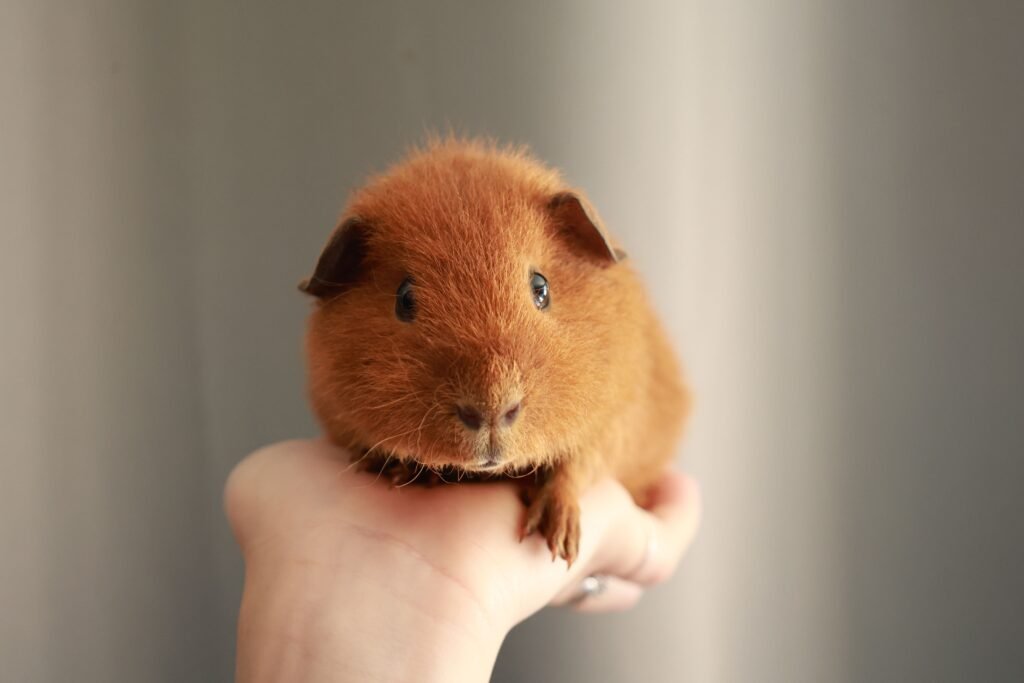

Pets bring joy, companionship, and unconditional love into our lives. In return, it is our responsibility to ensure their health, safety, and overall well-being. Maintaining your pet’s health is not just about feeding them—it involves proper care, regular check-ups, and a healthy lifestyle. This article covers essential pet health tips to help your furry companions live longer and happier lives.
- Importance of a Balanced Diet
A well-balanced diet is the cornerstone of your pet’s health. Just like humans, pets require a mix of proteins, carbohydrates, fats, vitamins, and minerals to function properly.
Tips for Healthy Feeding:
Choose high-quality commercial pet food or vet-approved homemade meals.
Feed according to your pet’s age, size, and activity level.
Avoid overfeeding, as obesity can lead to serious health issues.
Keep harmful foods like chocolate, caffeine, and onions away from pets.
Providing proper nutrition helps maintain a healthy coat, a strong immune system, and optimal energy levels.
- Keep Your Pet Hydrated
Water is essential for every living being. Dehydration in pets can cause serious health problems, including kidney issues and heatstroke.
Hydration Tips:
Always provide clean, fresh water.
Change water bowls daily.
Monitor water intake, especially during hot weather.
Pets that stay well-hydrated are more active and less prone to illness.
- Regular Exercise for Physical Fitness
Exercise is vital for keeping your pet physically fit and mentally stimulated. Lack of physical activity can lead to obesity, anxiety, and behavioral problems.
Exercise Ideas:
Daily walks for dogs
Interactive toys for cats
Outdoor playtime for small pets
Regular exercise improves cardiovascular health, strengthens muscles, and boosts mood.
- Preventive Healthcare Measures
Preventive care can save your pet from serious diseases and costly treatments. Regular veterinary visits are crucial for early detection and prevention.
Preventive Care Includes:
Vaccinations
Deworming
Flea and tick control
Dental check-ups
Schedule routine visits with a veterinarian to ensure your pet stays in optimal health.
- Grooming and Cleanliness
Good hygiene is essential for preventing infections and maintaining your pet’s comfort. Grooming also allows you to check for any unusual signs, such as lumps or skin issues.
Grooming Practices:
Brush fur regularly to prevent matting
Bathe pets with safe shampoos
Trim nails to avoid injury
Clean ears and teeth frequently
A clean pet is a healthy pet, and grooming helps strengthen your bond with them.
- Recognizing Signs of Illness
Pets cannot communicate their discomfort directly, so it’s important to observe their behavior closely.
Warning Signs to Watch For:
Loss of appetite
Lethargy or unusual tiredness
Vomiting or diarrhea
Sudden weight loss or gain
Changes in behavior
If you notice any of these signs, consult a veterinarian immediately.
- Creating a Safe Living Environment
A safe environment protects your pet from injuries and accidents. Your home should be pet-friendly and free from hazards.
Safety Measures:
Keep toxic substances out of reach
Secure sharp objects and wires
Provide a comfortable sleeping area
Ensure proper ventilation and temperature
Safety at home contributes significantly to your pet’s overall well-being.
- Mental Health and Emotional Care
Pets experience emotions just like humans. They need attention, love, and mental stimulation to stay happy.
Ways to Improve Emotional Health:
Spend quality time with your pet
Provide toys and activities
Avoid leaving pets alone for long periods
Use positive reinforcement training
A mentally healthy pet is less likely to develop anxiety or destructive behaviors.
- Importance of Training and Discipline
Training helps pets understand acceptable behavior and ensures their safety in different situations.
Basic Training Tips:
Start training at a young age
Use rewards and positive reinforcement
Be consistent with commands
Avoid punishment-based methods
Proper training creates a well-behaved and confident pet.
Conclusion
Taking care of a pet requires dedication, patience, and love. By focusing on proper nutrition, regular exercise, preventive healthcare, grooming, and emotional well-being, you can ensure your pet lives a healthy and fulfilling life.