
Introduction
Proper nutrition is key to a healthy, happy pet. Many owners value quantity over quality, leading to health issues. Feeding the right type and amount of food supports growth, energy, and well-being. This guide covers pet nutrition basics: what to feed, what to avoid, and planning a balanced diet.
Why Nutrition Matters for Pets
Like humans, pets require a balanced diet to maintain their health. Poor nutrition can lead to obesity, weakness, or serious illness.
Benefits of proper nutrition:
- Strong immune system
- Healthy skin and shiny coat
- Improved digestion
- Increased energy levels
- Longer lifespan
A well-fed pet is more active, alert, and less likely to get sick.
Understanding Nutritional Requirements
Different pets have distinct nutritional needs, which vary based on their species, size, and age.
- Dogs require protein, fats, carbohydrates, vitamins, and minerals.
- Cats need a high-protein, meat-based diet.
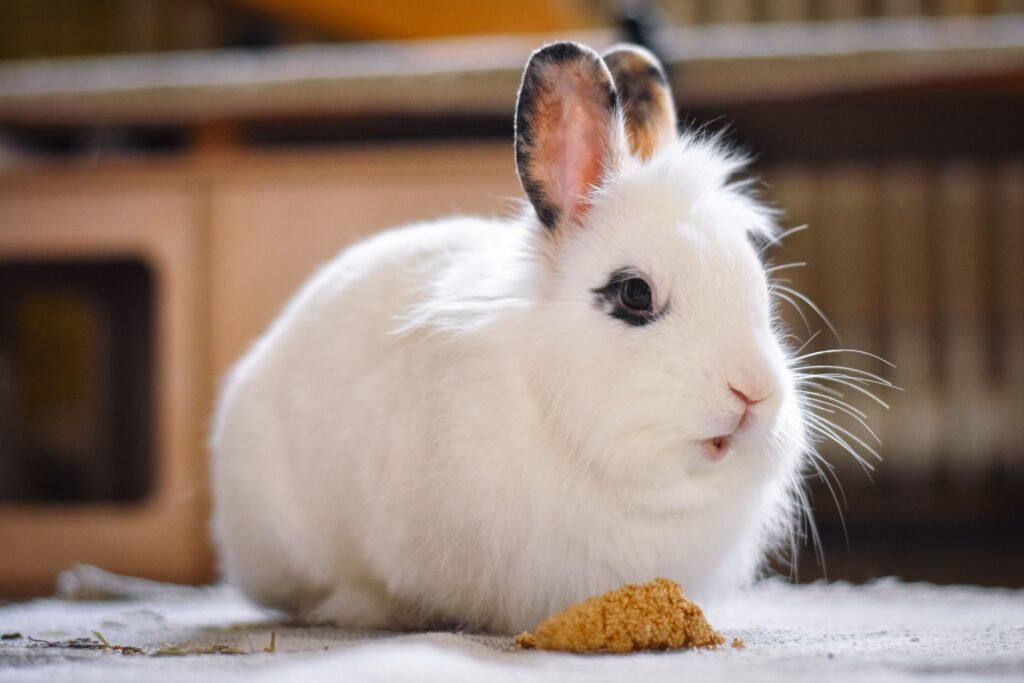
- Small pets like rabbits need fiber-rich foods.
Understanding these needs helps you choose the right diet for your pet.
Types of Pet Food
There are various types of pet food available in the market. Choosing the right one can make a big difference.
- Dry Food (Kibble)
- Easy to store and affordable
- Helps in dental health
- Long shelf life
- Wet Food
- High moisture content
- Easier to chew and digest
- Suitable for picky eaters
- Homemade Food
- Full control over ingredients
- Fresh and natural
- Requires proper planning and balance
Mixing different types can provide better nutrition.
Foods You Should Avoid
Some foods are harmful and should never be given to pets.
- Chocolate
- Onions and garlic
- Grapes and raisins
- Caffeine
- Alcohol
- Spicy or fried foods
These can cause serious health issues and should be strictly avoided.
Portion Control and Feeding Schedule
Overfeeding is one of the most common mistakes pet owners make.
- Follow portion guidelines based on weight and age.
- Feed pets at fixed times daily.
- Avoid constant snacking
- Monitor weight regularly
Proper portion control helps maintain a healthy body weight.
Hydration: An Overlooked Factor
Water is just as important as food.
- Always provide clean and fresh water.
- Change water daily
- Monitor your pet’s drinking habits.
Dehydration can lead to serious health complications.
Special Diets for Different Life Stages
Pets need different diets at different stages of life.
- Puppies/Kittens: High-protein diet for growth
- Adults: Balanced diet for maintenance
- Senior pets: Low-calorie, easy-to-digest food
Adjusting diet according to age ensures optimal health.
Signs of Poor Nutrition
Recognizing early signs can help prevent serious problems.
- Dull coat
- Weight gain or loss
- Low energy
- Digestive issues
- Frequent illness
If you notice these signs, review your pet’s diet immediately.
Consulting a Veterinarian
A professional vet can guide you in creating a perfect diet plan.
- Get personalized feeding advice.
- Address specific health conditions.
- Ensure nutritional balance
Expert guidance is always beneficial for long-term health.
Conclusion
Pet nutrition plays a crucial role in ensuring a long and healthy life. By providing a balanced diet, avoiding harmful foods, and maintaining proper feeding habits, you can greatly improve your pet’s quality of life. Remember, a healthy diet today means fewer health problems tomorrow.